Upload a Clear Portrait
Choose a selfie where your full face is visible. A straight-on angle, natural camera distance, and even light help the AI age estimator read facial cues without distortion.
Upload a clear portrait to get a fast AI age guess from visible facial cues. The result estimates how old you look in this photo, then explains which image factors can move the estimate up or down.

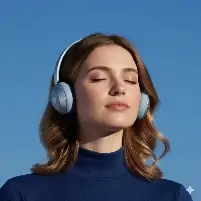
Use a front-facing selfie with your full face visible, even lighting, and no heavy beauty filters. A natural expression helps the face age detector read the image more consistently.
Choose a selfie where your full face is visible. A straight-on angle, natural camera distance, and even light help the AI age estimator read facial cues without distortion.
The tool reviews visible facial landmarks, texture cues, expression, face proportions, shadows, and image quality. It estimates how old you look in this image rather than checking your actual age.
Read the estimated age and the supporting signals. If the number feels off, try another portrait with different lighting, angle, expression, or styling to see how the photo changes the estimate.
A face age detector reads a photograph. Small image differences can make the same person look younger or older to an AI model.
Harsh side light, under-eye shadows, flash glare, or dim rooms can add contrast that makes age cues look stronger. Soft front light usually gives a steadier estimate.
A broad smile can create smile lines and change the cheeks, eyes, and mouth. A neutral expression or light smile is easier to compare across photos.
Very close selfies can stretch the center of the face and alter proportions. A portrait taken from a natural distance usually works better for visible-age analysis.
Makeup, beard shape, hairstyle, glasses, smoothing filters, and image sharpening can all shift how old a person appears in a photo.
The best use of an AI age guess is comparison: how different photos, lighting, and styling change your visible age.
When the estimate is close to your actual age, the photo likely shows common visible-age cues clearly. Treat it as a stable result for this image, not a permanent label.
Even light, a relaxed expression, smooth image texture, hairstyle, and camera distance can make the uploaded photo read younger than your real age.
Deep shadows, low resolution, tired expression, strong contrast, close lenses, or styling can make visible age cues stronger and raise the estimate.
If the result seems surprising, retest with a front-facing, well-lit portrait. One poor photo can change an age estimator more than people expect.
The number describes how the uploaded image appears to the model. It should not be used to prove age, identify someone, judge health, or make decisions about other people.
People search for "how old do I look" because visible age and actual age are not always the same. A face age detector estimates the apparent age shown in a single image. It cannot verify birth date, identity, maturity, health, or lifestyle. The useful question is not whether the AI knows your real age; it is whether this particular photo makes you appear younger, older, or close to your actual age.
The same face can receive different AI age guesses across photos. Bright bathroom light may emphasize texture, while window light may soften it. A close selfie can distort proportions. Glasses glare or hair over the forehead can hide features. A broad smile can add lines around the mouth and eyes. Comparing results across clean portraits helps you learn which photo conditions are affecting the visible-age estimate.
Face images are sensitive. Use this tool for your own photo feedback, profile-picture testing, styling experiments, or curiosity. Do not upload another person's photo without permission, and do not use the result for hiring, access control, age verification, insurance, school, dating decisions, or medical conclusions. AI age estimation is approximate and should stay in a low-stakes context.
A cleaner photo makes the AI age detector easier to interpret.
Keep your head level and your full face in frame. Side angles and cropped faces make visible age signals harder to compare.
Natural front light or soft indoor light reduces harsh shadows and gives the age estimator a clearer view of texture and features.
Beauty filters, skin smoothing, strong sharpening, and face-changing effects can make the age guess less meaningful.
If you want a fair read, test two or three portraits with similar framing. Consistent results are more useful than one surprising estimate.
For the most comparable result, use a recent portrait with your face visible, moderate resolution, no mask, no extreme angle, and no heavy edit.
The tool analyzes visible cues in the uploaded photo, such as facial landmarks, texture signals, expression, lighting, shadows, and image quality. It returns a photo-based age estimate, not a verified age.
It can be directionally useful with a clear front-facing portrait, but it is still approximate. Lighting, camera distance, expression, filters, styling, and resolution can change the estimate.
A different angle, harsher light, stronger smile, close lens, shadow, filter, or lower resolution can change visible age cues. The AI reads the uploaded image, so two photos of the same person can produce different results.
No. This page is not age verification, identity verification, compliance screening, or a security tool. It should only be used for low-stakes photo feedback and curiosity.
Use a recent front-facing portrait with even light, natural camera distance, your full face visible, and no heavy filters. Avoid masks, strong glare, extreme side angles, and low-resolution screenshots.
Only use photos you own or have clear permission to analyze. Face images are sensitive, and the result should not be used to judge, profile, or make decisions about another person.
Face photos are sensitive, so review the site's current privacy policy before uploading. FaceAnalysis.org processes uploaded images for analysis and does not present this page as a public photo library.
No. The tool estimates visible age from a photo. It does not diagnose skin health, medical conditions, dental issues, sleep quality, stress, or biological age.